England Issues Urgent Statement Over FIFA’s Handling of Argentina’s Insensitive Malvinas Banner
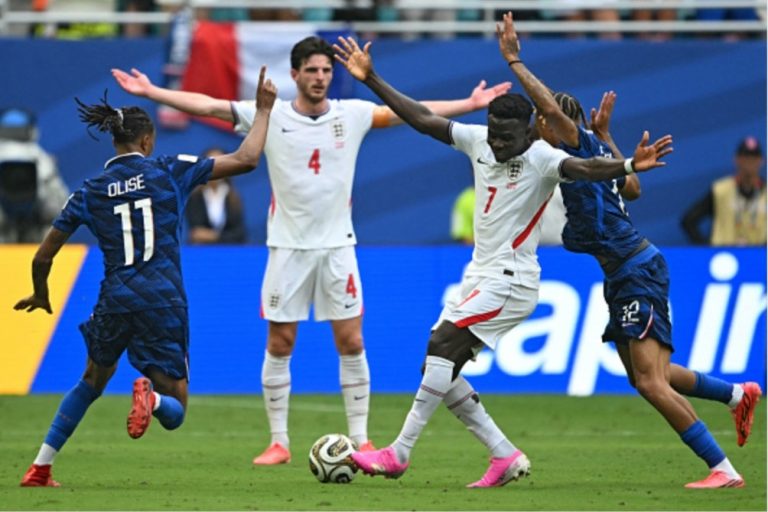
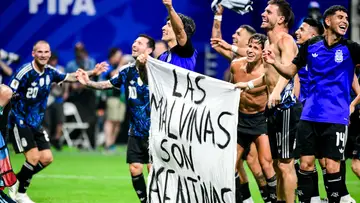
Following Argentina’s dramatic 2-1 comeback victory over England in the 2026 FIFA World Cup semi-final in Atlanta on 15 July, the Football Association and UK government moved swiftly to address a controversial post-match incident. Argentine players, including Lisandro Martínez and Giovani Lo Celso, displayed a banner reading “Las Malvinas son Argentinas” during celebrations, reigniting tensions over the Falkland Islands sovereignty dispute.
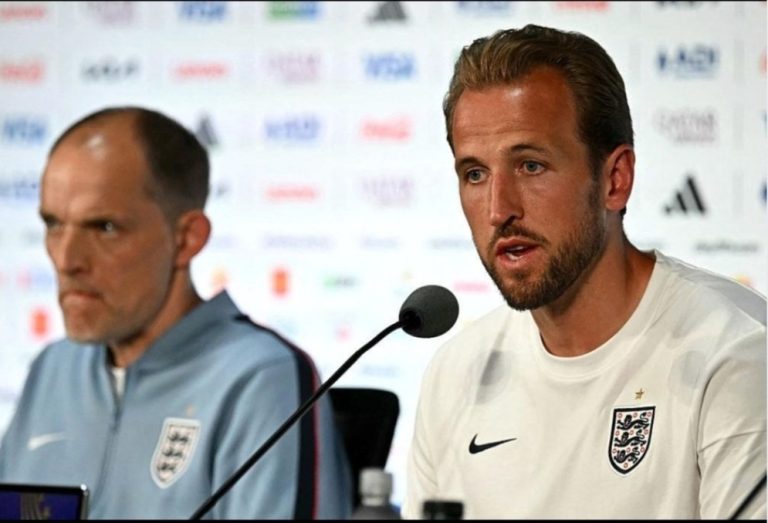
The UK government issued urgent statements on 16 July, condemning the display as politically insensitive and in breach of FIFA’s strict rules against political messaging in football. Business Secretary Peter Kyle described the act as “entirely inappropriate,” stressing that “Politics needs to be separate from football” and labelling it an “egregious violation” of the World Cup’s principles. He called on FIFA to launch a thorough investigation immediately.
A Downing Street spokesperson reinforced the position, stating: “The World Cup might not be ours, but the Falkland Islands definitely are. Self-determination rests with the islanders and our commitment to the Falklands will never waver.” The remarks came amid calls from figures like Liberal Democrat leader Ed Davey for potential player bans ahead of the final.
FIFA responded by confirming its independent disciplinary committee is “assessing the match reports and considering the relevant circumstances” under its code, which prohibits political, offensive or discriminatory messages by players or teams. The governing body previously fined the Argentine FA in 2014 for a similar banner.
England’s rapid and unified statements highlight the deep sensitivity of the issue, rooted in the 1982 Falklands War, and underscore demands for FIFA to enforce its regulations consistently. While Argentina’s President Javier Milei defended the gesture as a national sentiment, the UK’s intervention places pressure on FIFA to deliver a clear outcome before Sunday’s final against Spain. The episode has once again exposed the challenges of keeping politics out of international football.
About the Author