{"remix_data":[],"remix_entry_point":"challenges","source_tags":["local"],"origin":"unknown","total_draw_time":0,"total_draw_actions":0,"layers_used":0,"brushes_used":0,"photos_added":0,"total_editor_actions":{},"tools_used":{"ai_enhance":1},"is_sticker":false,"edited_since_last_sticker_save":true,"containsFTESticker":false}
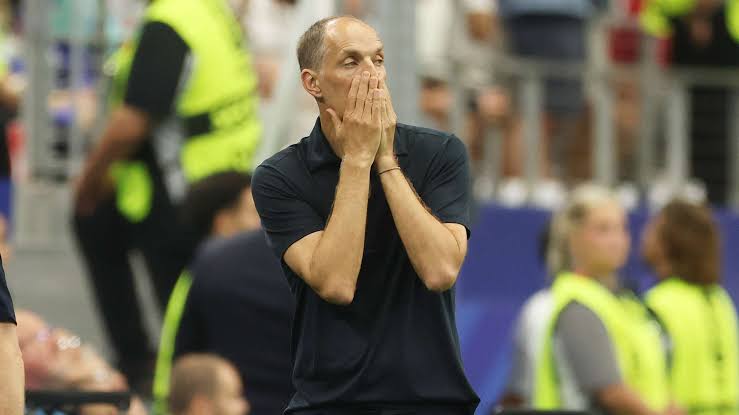
As the Premier League enters its business end, it signifies that the resumption of the managerial merry-go-round is not far away from spinning again. While some clubs sprang a surprise last term and seem to have their hierarchical structures firmly in place, the unforgiving nature of top-flight football ensures that not every manager will see out the campaign unscathed.
In this results-driven business, the margin for error is razor-thin and Ruben Amorim and Thomas Frank, who lost their respective positions at Manchester United and Tottenham, are the perfect examples of that.
Here, we explore the precarious world of Premier League management, assessing each manager’s likelihood of facing the sack this season. From those navigating the treacherous waters of relegation battles to those leading title-chasing sides, we examine the factors that could impact managerial job security – from team performance trends and the patience of the boardroom to the constant glare of media attention.
Read on to find out which managers are sitting comfortably in their positions and which ones might need to keep a wary eye on the shadows of potential successors.
Overall performance in the Premier League.
Overall performance in external competitions, including the FA Cup, League Cup and the Champions League.
Expectations of the club’s hierarchy.
Manager’s legacy within the club.
Fans’ feelings towards the manager.
While it wasn’t quite a faultless season, Arsenal still managed to finish second again last term as the wait goes on for that much-desired Premier League title. Spanish boss Mikel Arteta could argue that an injury crisis cost his side, with Bukayo Saka and Kai Havertz spending lengthy spells on the sidelines.
As the Premier League enters its business end, it signifies that the resumption of the managerial merry-go-round is not far away from spinning again. While some clubs sprang a surprise last term and seem to have their hierarchical structures firmly in place, the unforgiving nature of top-flight football ensures that not every manager will see out the campaign unscathed.
In this results-driven business, the margin for error is razor-thin and Ruben Amorim and Thomas Frank, who lost their respective positions at Manchester United and Tottenham, are the perfect examples of that.
Here, we explore the precarious world of Premier League management, assessing each manager’s likelihood of facing the sack this season. From those navigating the treacherous waters of relegation battles to those leading title-chasing sides, we examine the factors that could impact managerial job security from team performance trends and the patience of the boardroom to the constant glare of media attention.
Read on to find out which managers are sitting comfortably in their positions and which ones might need to keep a wary eye on the shadows of potential successors.
About the Author