Scottish Premiership Drama Erupts As O’Neil Drops Coldest Response Of The Season
Tensions in Scottish football have erupted once again after a fiery war of words between Celtic F.C. boss Martin O’Neil and Derek McInnes sent shockwaves across the league. What began as a heated debate over officiating and league influence quickly spiralled into one of the most talked-about controversies of the season, with accusations, sarcasm, and cold responses dominating headlines and social media alike.
The drama exploded after comments linked to claims surrounding a so-called “corrupt club” narrative began circulating following a tense weekend of Scottish Premiership action. While no official accusations were directly proven or formally addressed by league authorities, the remarks sparked fierce reactions from fans, pundits, and former players across the country.
McInnes, never one to shy away from confrontation, reportedly questioned the growing influence of certain clubs within Scottish football and hinted that decisions throughout the campaign had favoured “the usual powers.” Although he avoided naming clubs directly in his initial comments, supporters and media outlets quickly interpreted the remarks as a swipe toward Celtic’s dominance and political influence within the game.
That interpretation was enough to trigger an instant reaction from the Celtic camp.
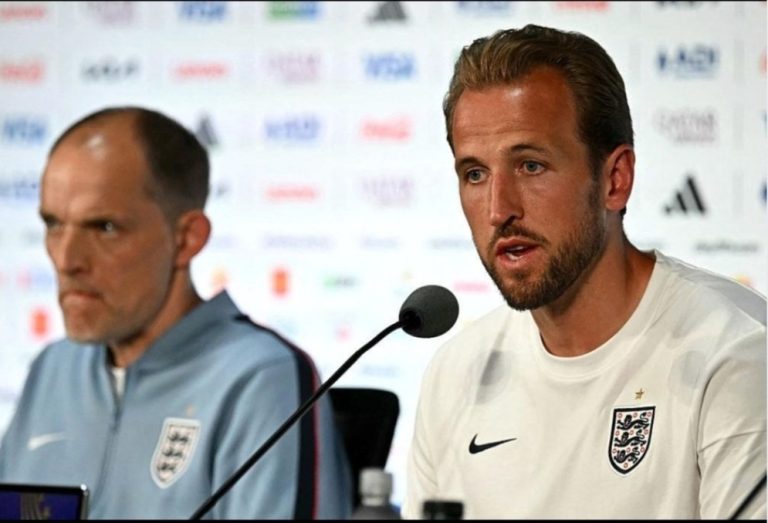
Speaking during a post-match media conference, O’Neil delivered what many supporters are now calling an “ice-cold” response. Calm, composed, and visibly unimpressed, the Celtic boss dismissed the controversy with a brutal level of confidence that instantly went viral online.
“We focus on football, not conspiracy theories,” O’Neil reportedly said. “Successful clubs will always attract criticism from people looking for excuses.”
The response spread rapidly across social media platforms within minutes, with fans praising the manager’s composure and ruthless delivery. Clips of the interview accumulated thousands of reactions, while football pages across Scotland labelled it one of the coldest managerial responses of the season.
For Celtic supporters, the statement represented a powerful defence of the club amid what they believe has become a growing trend of bitterness toward their continued success domestically. Celtic’s impressive campaign, combined with their financial stability and consistent performances, has once again placed them firmly at the top of Scottish football.
However, critics argue the wider debate reflects frustrations that have been building for years within the Scottish game. Questions around officiating standards, financial imbalance, and league competitiveness continue to divide opinion among supporters outside Glasgow’s traditional powerhouses.
Former players and pundits have also weighed into the situation. Some defended McInnes for speaking openly about concerns shared by many rival fans, while others accused him of escalating unnecessary drama during a crucial stage of the season.
Despite the controversy, Celtic remain focused on ending the campaign strongly, with O’Neil refusing to allow outside noise to distract his squad. Insiders close to the club claim players have rallied behind their manager’s comments and are determined to let performances on the pitch answer any criticism.
Meanwhile, the fallout continues to dominate Scottish football discussions online, with fans fiercely debating whether McInnes crossed the line or whether O’Neil’s cutting response completely ended the argument.
One thing is certain: the rivalry, tension, and emotion surrounding Scottish football remain as fierce as ever, and this latest chapter has only added more fuel to an already explosive atmosphere.2025/26 season taking shots at Celtic, their fans, and anyone connected to the club. He called their title chances “zero percent.” He described the team as “tepid” and “scraping by.” He dismissed Celtic outright without referencing league position, fixtures, or any real evidence to support his stance. It was, as it often is with Keevins, a conclusion in search of a justification.
And then Celtic went and won the league anyway.
But even after that, Keevins couldn’t quite leave Celtic fans alone. He continued to criticize Celtic supporters over their protests throughout the season, claiming fan unrest was affecting performance on the pitch. The fans, to put it plainly, were not impressed. Many felt Keevins was using the fan protest narrative as a convenient stick to beat the support with, especially after his title prediction had aged so badly.
What made it worse was the hypocrisy baked into his position. Keevins had spent years praising the very Celtic board he was now criticizing, openly championing figures like Peter Lawwell, Dermot Desmond and Michael Nicholson when results were going well. Now, with Martin O’Neill having guided Celtic to the title despite a difficult season, Keevins was pivoting again.
Enter O’Neill. The Celtic manager had already put a quiet but firm marker down earlier in the season when Keevins tried to use a pre-match comment against him. O’Neill had said, simply, “I don’t think we are good enough to think too far ahead” ahead of a cup fixture. It was straightforward man-management, a manager keeping his squad focused. Keevins took that line and ran with it, inflating it into supposed evidence that even O’Neill agreed Celtic had no real hope. Anyone who has watched football for more than five minutes could see what O’Neill was doing. Keevins apparently could not, or chose not to.
The Scottish Cup win brought things to a head. O’Neill was direct in his response to the Scottish media’s reaction to Celtic’s success, noting that outside of Celtic’s supporters and the diaspora, virtually everyone had wanted Hearts to win. It was a pointed and accurate observation. The “Anyone But Celtic” sentiment in certain corners of the Scottish press had been barely disguised all season.
As for Keevins, the reckoning came in memorable fashion. He appeared on Clyde Superscoreboard wearing Martin O’Neill’s now iconic Celtic tracksuit, publicly apologizing and admitting he had been wrong about the title. Someone had even baked him a Celtic cake with the “zero percent” quote written in icing on top. He also received a mug with “I’m a mug” printed on it, which he referenced on air.
It was funny. It was also telling. Because the moment Keevins put that tracksuit on, it confirmed what Celtic fans had been saying for months. He had not been doing journalism. He had been doing pantomime.
O’Neill, characteristically, said everything he needed to say by simply doing his job well. Sometimes that is all the reply you need.
About the Author