{"remix_data":[],"remix_entry_point":"challenges","source_tags":["local"],"origin":"unknown","total_draw_time":0,"total_draw_actions":0,"layers_used":0,"brushes_used":0,"photos_added":0,"total_editor_actions":{},"tools_used":{"addons":1,"ai_enhance":1,"transform":1},"is_sticker":false,"edited_since_last_sticker_save":true,"containsFTESticker":false}
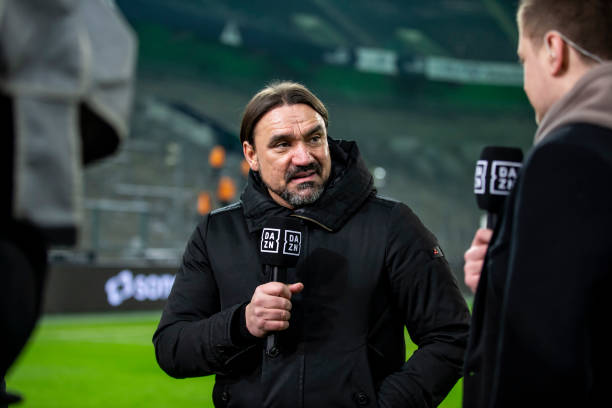
Eddie Howe did not hide his emotions after Newcastle United’s disappointing defeat to Manchester City, delivering a brutally honest assessment of what went wrong and why his side failed to get a result. Speaking after the final whistle, the Newcastle boss made it clear that while Manchester City’s quality was undeniable, his own team had plenty of opportunities to influence the game but did not take responsibility when it mattered most. His frustration was obvious, not just in his words, but in the tone of a manager who felt his players let standards slip at a crucial moment in the season.
Howe began by reflecting on Newcastle’s strong start to the year, reminding everyone that the club had worked hard to build momentum and confidence over recent weeks. He stressed that performances like this risk undoing all that progress if lessons are not learned quickly. According to him, Newcastle did not enter the match with the wrong mindset, but they failed to maintain discipline, intensity, and clarity in key phases of the game. Against a side like Manchester City, Howe emphasized, even small lapses can be punished heavily, and that was exactly what happened.
A major part of his post-match reaction focused on decision-making. Howe singled out three players, not necessarily to publicly shame them, but to underline moments where better choices could have changed the flow of the match. He pointed out that in certain situations, Newcastle either hesitated, rushed their actions, or failed to execute simple instructions. Against elite opposition, he said, those moments are often the difference between staying competitive and falling behind. The manager made it clear that talent alone is not enough; awareness, responsibility, and composure are equally important.
Defensively, Howe admitted that his side did not manage the game well. He felt Newcastle allowed Manchester City too much space in dangerous areas, particularly when transitions were not handled properly. There were instances where players failed to track runners, close down quickly, or communicate effectively with one another. Howe noted that these are fundamentals the team has worked on repeatedly in training, which made the errors even more frustrating to watch from the touchline. He stressed that defensive organization is a collective responsibility, not something that can be blamed on one individual alone.
In midfield, Howe believed Newcastle struggled to impose themselves for long enough periods. While there were moments of control and confidence, they were not sustained. He explained that City’s ability to recycle possession and apply constant pressure exposed Newcastle’s inability to remain compact and disciplined. At times, players were drawn out of position, leaving gaps that Manchester City exploited with ease. Howe highlighted that one of the three players he referenced needed to be braver on the ball and more decisive in key moments, rather than playing safe passes that invited pressure.
Going forward, Howe felt Newcastle lacked sharpness and conviction. He acknowledged that creating chances against Manchester City is never easy, but insisted that when opportunities did arise, his team did not make the most of them. Poor final balls, mistimed runs, and a lack of ruthlessness in front of goal all contributed to their downfall. Howe stated that one of the players he singled out had the ability to change the game but failed to take responsibility when it was required, choosing the wrong option instead of trusting his instincts.
Despite the disappointment, Howe was careful to strike a balance between criticism and motivation. He reminded his players, and the fans, that setbacks are part of football, especially when competing at the highest level. However, he made it clear that what matters most is the response. Allowing one defeat to derail the season, he warned, would be unacceptable. Newcastle have ambitions, and those ambitions demand consistency, accountability, and a willingness to learn from mistakes.
Howe concluded by stressing that standards within the squad remain high. He promised that the issues exposed in the defeat would be addressed on the training ground, with honest conversations and clear expectations. The manager reiterated his belief in the group but made it clear that no player is immune from criticism if performance levels drop. Against top teams like Manchester City, he said, Newcastle must be brave, focused, and united from the first minute to the last.
Ultimately, Howe’s reaction was not just about one loss, but about protecting the direction Newcastle are heading in. His message was simple but firm: the team has started the year well, and they cannot afford to waste that progress by repeating avoidable mistakes. The defeat to Manchester City, painful as it was, must serve as a lesson — one that pushes Newcastle to be sharper, stronger, and more disciplined in the challenges ahead.
About the Author