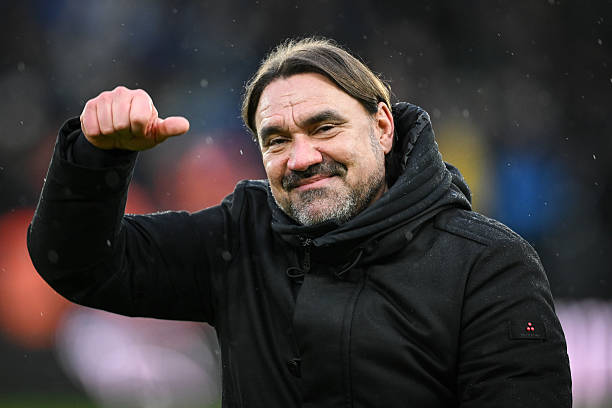
NEWCASTLE UPON TYNE, ENGLAND - FEBRUARY 23: Newcastle United FC head coach Eddie Howe attends a press conference after the Premier League match between Newcastle United FC and Nottingham Forest FC at St James' Park on February 23, 2025 in Newcastle upon Tyne, England. (Photo by Rene Nijhuis/MB Media/Getty Images)
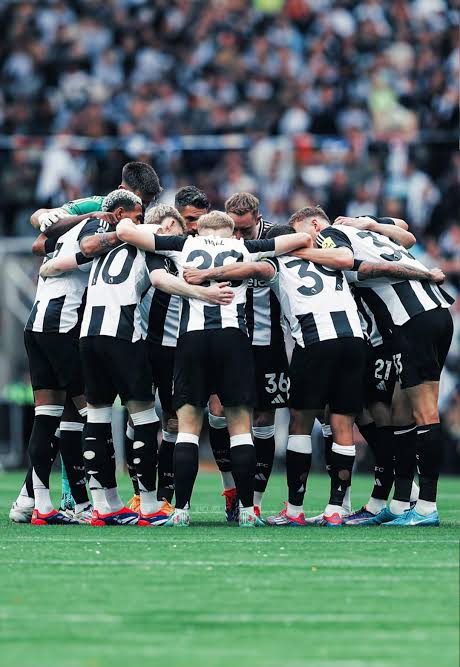
Newcastle United’s season has taken a disturbing turn, with reports emerging of unrest in Eddie Howe’s dressing room after a crushing 4–1 loss to Liverpool at Anfield. What was expected to be a competitive Premier League clash instead turned into a humiliating defeat that highlighted the Magpies’ frailties and raised serious questions about Howe’s authority and control within the squad.
The reaction inside the Newcastle camp has reportedly been chaotic. Some players are understood to be frustrated with the manager’s tactics and decision‑making, especially their abject collapse after taking an early lead. Newcastle had spirited moments in the first half but capitulated after conceding two quick goals just before the break. The defensive lapses and inability to respond to pressure have only deepened dissatisfaction among certain senior figures at the club.
Compounding the mood is the lingering impact of the summer’s transfer saga involving Alexander Isak. The Sweden international’s controversial switch to Liverpool after a public desire to leave and apparent tensions over his future has left a bitter taste in the squad and destabilised squad harmony. Many players had looked to Isak as a talismanic figure; his departure, and the handling of it, continue to be a source of quiet resentment.
Adding fuel to the fire, Newcastle’s away form has been woeful, with the club losing six away games this season and dropping numerous points from winning positions. Howe himself admitted there is “no magic wand” to fix their inconsistency, but that frankness has done little to calm an increasingly restless dressing room.
Inside St James’ Park, whispers about Howe’s future are growing louder. Some players are believed to feel the team’s tactical approach lacks clarity and adaptability, especially in high‑pressure games. There is also the perception among certain squad members that Howe’s man‑management on crucial decisions such as substitutions and formation changes has been too cautious, or worse, ineffective. The result: a loss of confidence in his ability to steer Newcastle back to winning ways.
While supporters remain divided with many acknowledging Howe’s achievements, including consistent Champions League qualification and a League Cup triumph the current crisis has amplified criticism from within. Whether the board will back Howe through this storm, or decide that a change is necessary, remains one of the most intriguing questions in English football as Newcastle wrestle with internal chaos and external expectations.
About the Author