{"remix_data":[],"remix_entry_point":"challenges","source_tags":["local"],"origin":"unknown","total_draw_time":0,"total_draw_actions":0,"layers_used":0,"brushes_used":0,"photos_added":0,"total_editor_actions":{},"tools_used":{"addons":1,"ai_enhance":1},"is_sticker":false,"edited_since_last_sticker_save":true,"containsFTESticker":false}
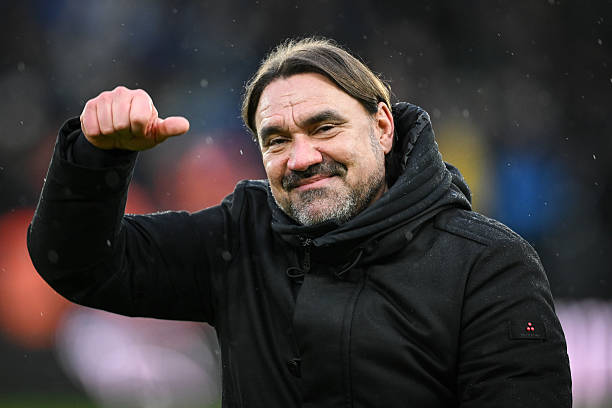
Eddie Howe cut a visibly irritated figure as he addressed the media in the aftermath of his side’s disappointing defeat to Everton F.C., but it wasn’t just the result that dominated headlines. What truly ignited tension inside the press room was a pointed question regarding the mounting speculation over his job security. The reporter’s inquiry about potential sack rumours seemed to strike a nerve, prompting a sharp and emotionally charged response from the Newcastle boss.
The loss itself had already intensified scrutiny. Supporters were frustrated, critics were circling, and conversations about the club’s direction had begun to grow louder across social media and pundit panels alike. In that charged atmosphere, the suggestion that Howe could be under threat only amplified the pressure. When the question was put to him directly, the manager did not mask his displeasure. His expression hardened, his tone sharpened, and his body language conveyed a clear message — he was not in the mood to entertain speculation about his future.
Howe pushed back firmly, appearing frustrated that attention was being diverted away from the performance on the pitch and toward narratives about his position. He made it clear that such rumours were unhelpful, especially at a moment when unity and focus were needed most. Rather than engaging in hypothetical discussions about dismissal, he emphasized his commitment to the team and the ongoing project at the club. The timing of the question, coming immediately after a painful defeat, seemed to add to his irritation.
Observers noted that the exchange created a tense atmosphere in the room. While managers are accustomed to facing difficult questions, this particular line of inquiry appeared to cross a boundary for Howe. He suggested that speculation of that nature undermines stability and can easily distract players who are already dealing with the emotional fallout of a loss. In his view, the focus should remain squarely on improvement, accountability, and collective effort — not on managerial rumours.
The defeat to Everton had undeniably stung. It was a performance that fell short of expectations, and Howe acknowledged the disappointment felt by fans and staff alike. However, he seemed determined not to allow one result — or even a sequence of results — to define the broader progress made under his leadership. His frustration appeared rooted in the belief that talk of a sacking ignored the context of his tenure and the strides the club has taken in recent seasons.
He stressed resilience, pointing out that setbacks are part of football and that true growth is measured by how a team responds to adversity. Rather than dwelling on external chatter, Howe insisted his attention remains on preparing his squad, correcting mistakes, and pushing forward. His message was clear: speculation does not alter his focus or commitment.
The fiery exchange quickly became a talking point among fans and pundits. Some interpreted his reaction as a sign of mounting pressure, while others viewed it as a passionate defense of his role and his players. Either way, it underscored the intensity surrounding the club at this stage of the season. In modern football, where managerial changes can occur swiftly and unpredictably, even a single poor result can trigger waves of doubt and rumour.
For Howe, however, the emphasis appeared to be on perspective. He seemed eager to remind critics that progress is rarely linear and that patience remains vital in building something sustainable. The reporter’s question may have been rooted in the reality of football’s unforgiving nature, but Howe’s response reflected a manager unwilling to concede ground to speculation.
As the press conference concluded, the lingering sense was one of defiance. The defeat to Everton was painful, yes, but the suggestion that it should immediately spark conversations about dismissal was something Howe clearly rejected. His reaction, sharp though it was, highlighted the pressures of top-level management and the emotional toll that constant scrutiny can bring.
Ultimately, the incident served as a reminder of how quickly narratives can shift in football. One week’s setback can fuel doubts that overshadow months — even years — of hard work. Yet if Howe’s fiery response revealed anything, it was his determination not to let rumours dictate the story. Whether critics quieten or intensify their voices in the coming weeks will likely depend on results, but for now, the manager has made his stance unmistakably clear: he remains focused, committed, and unwilling to entertain talk of an exit.
About the Author