{"remix_data":[],"remix_entry_point":"challenges","source_tags":["local"],"origin":"unknown","total_draw_time":0,"total_draw_actions":0,"layers_used":0,"brushes_used":0,"photos_added":0,"total_editor_actions":{},"tools_used":{"ai_enhance":1,"transform":1,"remove":1},"is_sticker":false,"edited_since_last_sticker_save":true,"containsFTESticker":false}
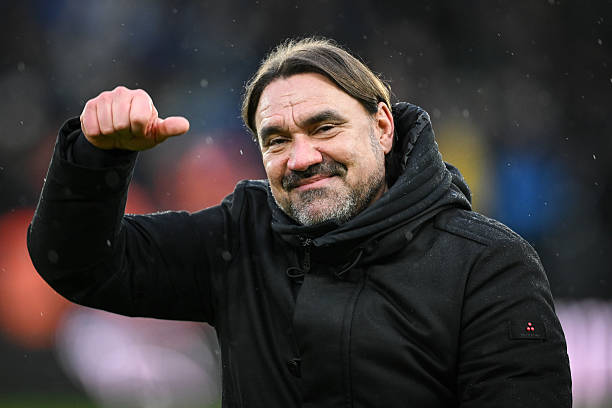
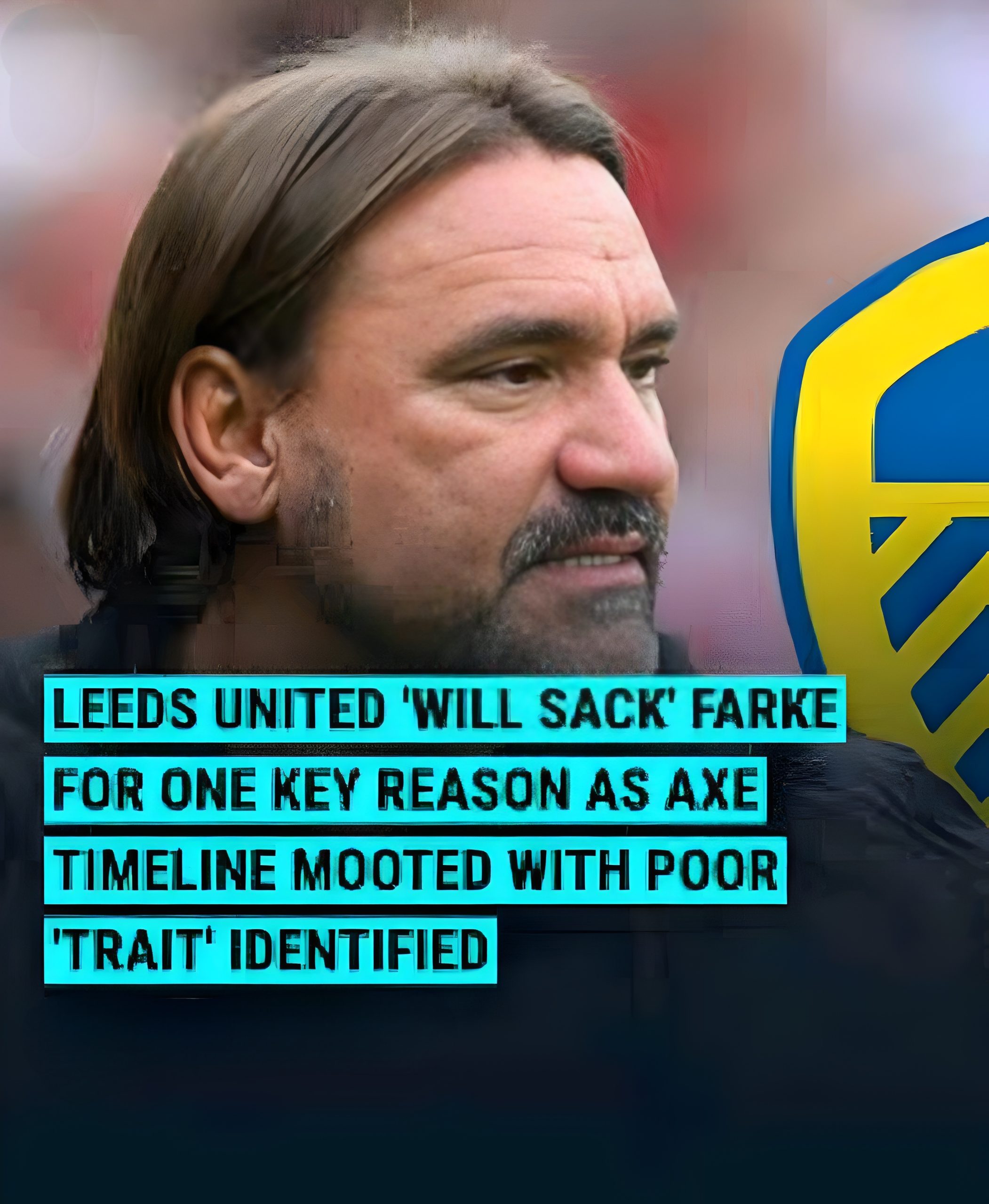
Pressure is mounting at Leeds United as speculation intensifies over the future of manager Daniel Farke. Despite flashes of promise this season, a growing belief within the club hierarchy suggests that a decisive managerial change could be imminent driven primarily by one critical concern: inconsistency at crucial moments.
Farke, who arrived with a reputation for structured, possession-based football and promotion pedigree, initially steadied the ship at Elland Road. However, as the campaign has progressed, Leeds’ inability to maintain performance levels particularly against direct rivals has raised serious doubts. While the team has shown dominance in patches, their tendency to drop points from winning positions or fail to respond under pressure has become a defining and worrying trait.
This inconsistency is reportedly the “poor trait” identified by decision-makers. In a fiercely competitive environment like the EFL Championship, where margins are thin and momentum is everything, such unpredictability can derail promotion ambitions. For a club with Premier League aspirations, patience is wearing thin.
Sources close to the situation indicate that Leeds’ board is already discussing a potential timeline for action. Should results fail to improve in the coming fixtures, the axe could fall sooner rather than later possibly before the final stretch of the season. The fear is that delaying a decision may cost the club a playoff spot or even automatic promotion chances.
Another factor working against Farke is the perceived lack of adaptability. Critics argue that his tactical approach, while effective in controlled settings, has proven rigid when adjustments are required mid-game. Opponents have increasingly found ways to exploit Leeds’ predictable patterns, leaving the team vulnerable in high-stakes encounters.
Supporters remain divided. Some believe Farke deserves more time to fully implement his philosophy, while others insist that Leeds cannot afford to gamble their future on potential alone. The club’s recent history, including relegation heartbreak, has only amplified the urgency to return to the top flight.
Ultimately, the coming weeks will be decisive. If Leeds can rediscover consistency and resilience, Farke may yet retain the backing of the board. But if the current trend continues, his tenure could be cut short serving as another reminder that in football, results often outweigh long-term vision.
For now, all eyes remain on Elland Road, where every match could shape not just a season, but the future direction of one of England’s most ambitious clubs.
About the Author