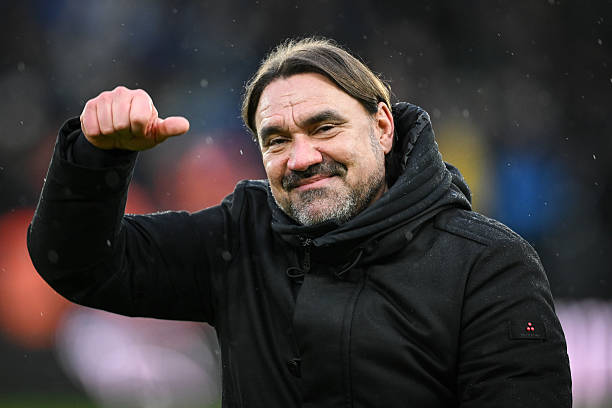
Eddie Howe did not hold back as emotions boiled over in the aftermath of his side’s crushing defeat to Brentford. What was expected to be a routine post-match interview quickly turned into a fiery exchange, as the Newcastle United manager responded passionately to the growing wave of criticism coming from sections of the fanbase. The loss had clearly struck a nerve, not only with supporters but with Howe himself, who appeared visibly frustrated as he addressed questions about his team’s performance and his own position at the club.
Speaking candidly, Howe reminded critics that even the most accomplished footballers endure difficult moments. He stressed that setbacks are part of the game, no matter how talented or experienced a squad may be. According to him, it is unrealistic to expect perfection every single week in one of the most competitive leagues in world football. His comments suggested that while the result was disappointing, it should not be used as a measuring stick to dismiss the quality or commitment of his players.
The manager’s tone sharpened as he turned his attention to what he described as relentless negativity. Howe admitted he was growing weary of the repeated blame being directed at him and his squad. He made it clear that criticism is part of the job, but questioned whether the reaction had gone too far. In his view, the scrutiny had become excessive and lacked perspective, particularly given the progress the team has made under his leadership.
There was a sense that Howe felt personally wounded by the reaction. He pointed out that he and his players invest immense time, energy, and emotional commitment into preparing for matches. Defeats hurt the coaching staff and dressing room more than anyone on the outside can fully appreciate. With that in mind, he argued that frustration should first and foremost belong to those who work daily to achieve results. He implied that supporters have every right to feel disappointed, but suggested that the intensity of the backlash failed to recognize the effort behind the scenes.
Observers noted that Howe’s delivery was firm and unapologetic. He did not attempt to dodge responsibility for the loss, acknowledging that Brentford had outperformed his side on the day. However, he resisted narratives suggesting that the result reflected a deeper crisis or that he was no longer the right figure to guide the club forward. Instead, he framed the setback as part of a longer journey, emphasizing resilience and unity as essential qualities during challenging spells.
The defeat itself had been difficult to digest. Newcastle struggled to find rhythm, appeared vulnerable defensively, and failed to capitalize on key opportunities. Brentford, by contrast, looked sharp and clinical, punishing mistakes with ruthless efficiency. For fans who had grown accustomed to stronger performances, the contrast was alarming. Social media reaction was swift, with some questioning tactical decisions and others calling for change.
Howe seemed acutely aware of that online discourse. His remarks hinted at frustration not just with the result, but with the speed at which opinions can shift. One poor performance, he suggested, should not erase months of hard work and positive results. He urged for balance in evaluating the team’s trajectory, reminding everyone that football seasons are rarely defined by single matches.
Despite the heated tone, there was also an underlying message of determination. Howe conveyed confidence that his players would respond positively. He spoke about the importance of staying united, learning from mistakes, and channeling criticism into motivation. Rather than allowing negativity to fracture morale, he appeared intent on using the setback as fuel for improvement.
For some supporters, Howe’s passionate defense may resonate as a sign of commitment and belief. For others, it could be interpreted as defensiveness at a time when accountability is demanded. Either way, the interview underscored the emotional stakes involved when expectations rise. Newcastle’s recent progress has elevated ambitions, and with that comes intensified scrutiny.
Ultimately, Howe’s outburst reflected the pressure inherent in top-level management. Leading a club with growing aspirations requires not only tactical acumen but also emotional resilience. In standing firm against his critics, Howe made it clear that he remains fully invested in the project and unwilling to accept narratives of decline after a single heavy loss.
Whether his defiant stance will calm tensions or further ignite debate remains to be seen. What is certain, however, is that the defeat to Brentford has sparked a defining moment of confrontation between manager and sections of the fanbase — a reminder that in football, passion runs deep on all sides.
About the Author