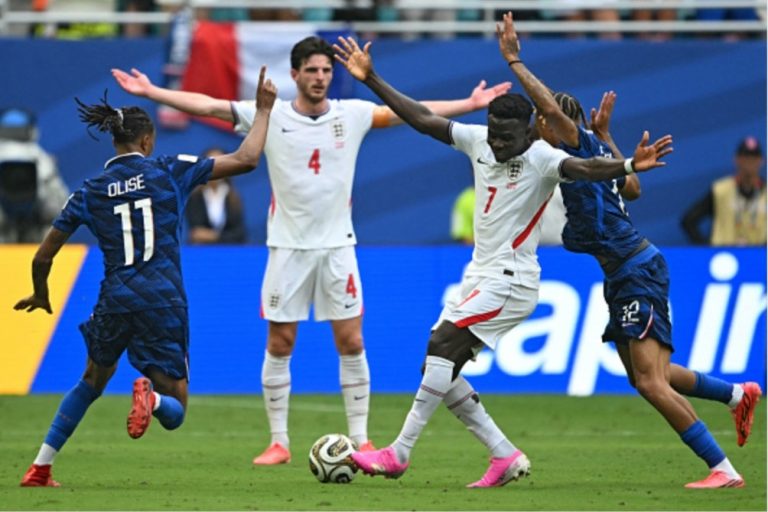
Outrage has swept through sections of the fanbase following the Scottish FA’s conclusive ruling on the controversial incident, with many supporters openly challenging the fairness and neutrality of the decision. What was meant to be a final word on the matter has instead intensified emotions, fueling heated debates across social media platforms, fan forums, and post-match discussions.
For many fans, the verdict felt like a bitter pill to swallow. Supporters who had waited anxiously for clarity believed the governing body would deliver what they saw as overdue justice. Instead, the announcement left them feeling disappointed and, in some cases, betrayed. The reaction was immediate and passionate. Comments flooded timelines within minutes of the statement’s release, with frustrated fans describing the outcome as deeply unjust and difficult to accept.
A recurring sentiment among supporters is the belief that the decision lacks fairness. Some argue that the incident in question was clear enough to warrant a different conclusion, insisting that what unfolded on the pitch deserved stronger action. To them, the final ruling does not reflect the gravity of the moment. They feel their concerns were brushed aside rather than properly addressed, and that perception has only deepened the sense of dissatisfaction.
Others have taken a broader view, suggesting that even respected football authorities are capable of misjudgment. While acknowledging that no organization is perfect, these fans believe that errors at the highest level carry significant consequences. In their eyes, governing bodies must be held to the highest standards, particularly when their decisions influence match outcomes, team morale, and supporter trust. The idea that “mistakes happen” is not enough to calm the storm; instead, it has become part of the criticism.
Another major point of frustration revolves around impartiality. Many supporters are questioning whether the decision-making process was truly neutral. While there is no concrete evidence of bias, perception plays a powerful role in football culture. When fans feel that consistency is lacking or that similar incidents have been judged differently in the past, suspicions naturally arise. Calls for transparency have grown louder, with demands for clearer explanations and more detailed reasoning behind the verdict.
The emotional intensity of the reaction highlights how deeply invested fans are in their clubs and the integrity of the game. Football is not just entertainment for these supporters; it is passion, loyalty, and identity. When decisions appear to undermine fairness, it feels personal. That emotional connection explains why reactions have been so strong and why the issue continues to dominate discussions long after the final whistle.
Some fans have also pointed to the role of modern technology in officiating, arguing that tools such as VAR exist precisely to eliminate doubt. If controversy still surrounds a decision after technological review, they question whether the system is being applied effectively. This has reignited ongoing debates about consistency in officiating standards across competitions.
On the other side of the argument, there are voices urging calm. A smaller but notable group of supporters has acknowledged that refereeing decisions are complex and often made under immense pressure. They argue that while frustration is understandable, the final call must be respected once the governing body has concluded its review. However, these calmer perspectives have struggled to match the volume of anger dominating the conversation.
The Scottish FA’s statement was likely intended to bring closure to the matter, yet for many, it has had the opposite effect. Instead of resolving tensions, it has intensified scrutiny. Fans are now demanding greater accountability, clearer communication, and assurances that similar controversies will be handled differently in the future.
Ultimately, the situation underscores the delicate balance football authorities must maintain. Every decision is examined under a microscope, and every explanation is dissected word by word. In an era of instant reactions and viral outrage, governing bodies face immense pressure to not only make correct decisions but also to convincingly demonstrate fairness.
For now, the anger shows no signs of fading. Supporters remain vocal, their disappointment echoing across platforms and stadium conversations alike. Whether this controversy will lead to meaningful change or simply become another chapter in football’s long history of disputed calls remains to be seen. What is certain, however, is that the Scottish FA’s final ruling has struck a nerve — and fans are making sure their voices are heard loud and clear.
About the Author