{"remix_data":[],"remix_entry_point":"challenges","source_tags":["local"],"origin":"unknown","total_draw_time":0,"total_draw_actions":0,"layers_used":0,"brushes_used":0,"photos_added":0,"total_editor_actions":{},"tools_used":{"addons":1,"transform":1},"is_sticker":false,"edited_since_last_sticker_save":true,"containsFTESticker":false}
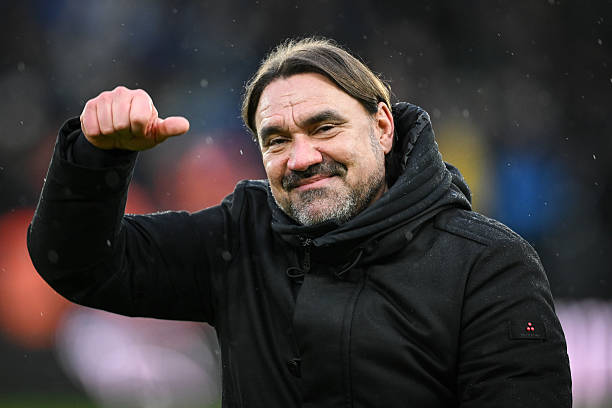
The recent meeting between Eddie Howe and Yasir Al-Rumayyan, the powerful chairman of the Public Investment Fund, has ignited intense debate among fans, with many now speculating about what this high-level discussion truly means for the long-term direction of Newcastle United. What might have appeared on the surface as a routine strategic meeting has instead evolved into a focal point of curiosity, concern, and excitement, as supporters attempt to read between the lines of what has been described as an “agreement concerning the future.”
For a club that has undergone such a dramatic transformation in recent years, any interaction between the managerial figurehead and the financial powerhouse behind the scenes is bound to attract attention. Eddie Howe, who has played a pivotal role in stabilizing and elevating Newcastle United since his arrival, is widely respected for his tactical discipline, player development, and ability to build a cohesive unit. On the other hand, Yasir Al-Rumayyan represents not just ownership, but ambition on a global scale—his presence signals intent, power, and the promise of sustained investment.
The timing of this meeting has only added fuel to the fire. With Newcastle navigating the pressures of competing at higher levels, including European ambitions and increased domestic expectations, fans are naturally questioning what kind of “future” is being discussed behind closed doors. Is it a future centered on patience and gradual development under Howe’s leadership? Or is it one that demands immediate success, potentially bringing changes in philosophy, personnel, or even managerial direction?
Supporters are split. Some see this as a positive sign—a clear indication that the club’s leadership is aligned and actively planning for sustained success. They believe that such meetings are necessary for a club with Newcastle’s ambitions, especially when backed by an entity as influential as the Public Investment Fund. From this perspective, the agreement signals unity, a shared vision, and a commitment to pushing the club to new heights.
Others, however, are more cautious. In modern football, meetings between ownership and management often carry deeper implications. Fans have seen scenarios where similar discussions preceded major decisions—changes in transfer strategies, shifts in expectations, or even managerial replacements. While there is no direct evidence suggesting anything drastic, the lack of transparency has allowed speculation to thrive.
Another layer to the debate revolves around control and influence. Eddie Howe has so far been credited with maintaining a strong identity within the team, focusing on discipline, structure, and smart recruitment. But with increasing financial backing and rising expectations, questions emerge about how much autonomy he will retain. Will he continue to shape the squad in his image, or will the influence of ownership begin to steer decisions more aggressively?
There’s also the broader context of Newcastle’s evolution. Since the takeover, the club has transitioned from a side fighting relegation battles to one aiming for European consistency and silverware contention. That kind of leap naturally requires strategic planning at the highest level. Meetings like this are not just about the present—they’re about defining what Newcastle United wants to become in the next five, ten, or even twenty years.
Fans, especially in today’s social media-driven environment, are quick to interpret even the smallest developments. A single phrase like “agreement concerning the future” becomes a trigger for widespread analysis. Some interpret it as a reinforcement of trust in Howe, a sign that he remains central to the project. Others read it as a subtle indication that expectations are being recalibrated, perhaps with stricter targets or a more aggressive push for immediate results.
What cannot be denied is the significance of the individuals involved. Yasir Al-Rumayyan is not just an owner; he is a symbol of the financial muscle and global ambition driving Newcastle forward. Eddie Howe, meanwhile, is the man tasked with translating that ambition into performances on the pitch. When these two figures sit down and reach an agreement, it carries weight—whether publicly detailed or not.
Ultimately, the real impact of this meeting will only become clear over time. Results on the pitch, transfer activity, and internal stability will all serve as indicators of what was truly decided. Until then, the debate among fans will continue, driven by curiosity, hope, and the ever-present fear of the unknown.
One thing is certain: Newcastle United is no longer a quiet club operating under the radar. Every move, every meeting, and every word is now magnified. And when figures like Eddie Howe and Yasir Al-Rumayyan come together to shape the club’s future, it’s not just a discussion—it’s a moment that could define an era.
About the Author